

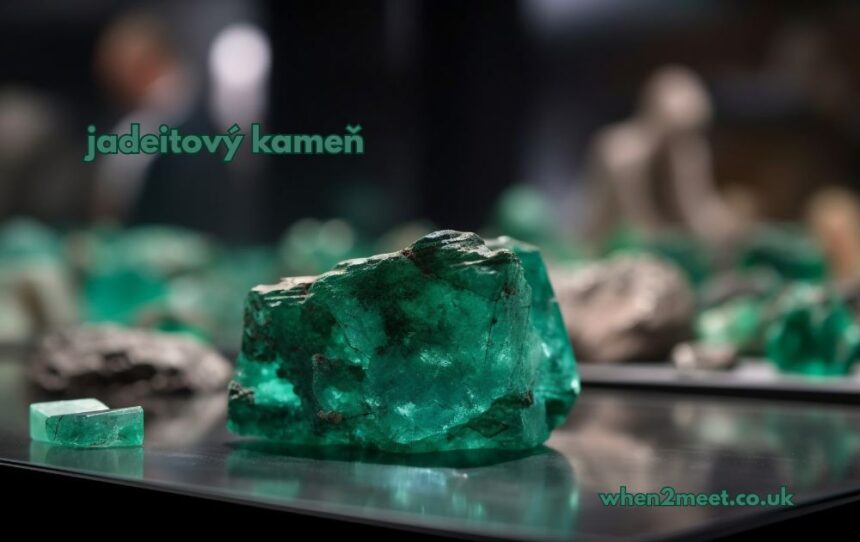
Few stones carry as much history, beauty, and meaning as jadeitový kameň. For centuries, this deep green gem has been treasured across cultures for its elegance and its quiet, grounding energy. From ancient emperors to modern collectors, people have turned to this stone for both its visual appeal and its deeper symbolism. Whether you’re drawn to its color, its history, or its symbolism, there’s a lot to discover about this remarkable stone.
What Is Jadeitový Kameň?
Jadeitový kameň, known in English as jadeite, is a mineral prized for its glassy shine and rich color range. It belongs to the pyroxene family and is chemically distinct from nephrite, the other stone often called “jade.” Jadeite is harder, denser, and generally more valuable, which is why it has long been associated with royalty, craftsmanship, and fine jewelry across Asian cultures. Its combination of strength and beauty is part of what keeps it so sought after today, and skilled artisans still consider it one of the most rewarding materials to work with because of how well it takes a polish.
Where Does Jadeite Come From?
Jadeite forms deep within the earth under intense pressure, usually near tectonic plate boundaries where rock layers are forced together. This slow, high-pressure process is what gives the stone its unusual density and toughness compared to other gemstones. The most famous deposits are found in Myanmar, which still supplies the majority of the world’s high-quality jadeite. Smaller deposits also exist in Guatemala, Russia, Japan, and parts of California, though none match Myanmar’s output in scale or quality. Because true jadeite deposits are so rare, mining regions have historically guarded their sources closely, and skilled traders built entire careers around sourcing and grading rough stone before it ever reached a jeweler’s workshop.
The History Behind the Stone
Jadeite has roots that stretch back thousands of years, especially in Chinese culture, where it was considered more valuable than gold. Ancient emperors wore jadeite as a symbol of power and purity, and it was often buried with the dead to protect the soul’s journey into the afterlife. Craftsmen spent months, sometimes years, carving a single piece by hand, turning raw stone into intricate art. Over time, its reputation spread globally, becoming a symbol of good fortune, wisdom, and refined taste in many other traditions as well. Museums around the world now display ancient jadeite artifacts as proof of just how central this stone was to early civilizations, long before modern trade routes connected distant markets.
Physical Properties of Jadeite
Understanding what makes jadeite unique helps explain why it’s so highly valued in the gemstone world.
- Extremely hard and durable, making it ideal for carving and jewelry
- Naturally occurs in green, but can also be found in lavender, white, yellow, and black
- Has a smooth, waxy to glassy luster when polished
- Denser than most other decorative stones, giving it a satisfying weight
- Forms under high-pressure conditions, often near tectonic plate boundaries
- Resistant to scratching, which allows detailed carving without losing sharpness
Meaning and Symbolism
Jadeitový kameň is often called the “stone of harmony” because of the balance it’s believed to bring to the mind and body. Many cultures see it as a bridge between the physical and spiritual world, representing purity, wisdom, and calm strength. It’s also strongly linked to prosperity, with the belief that carrying or wearing jadeite invites good luck and financial stability into one’s life. In some traditions, gifting jadeite is seen as passing along protection and blessings to the receiver, which is why it remains a popular choice for meaningful, once-in-a-lifetime presents rather than everyday accessories.
Jadeite in Different Cultures
While jadeite is most closely associated with Chinese tradition, its symbolism reaches far beyond one region. In Central America, the Maya and Aztec civilizations valued jadeite even more highly than gold, using it in masks, jewelry, and ceremonial offerings. In Myanmar, jadeite mining continues to be a major part of the local economy and cultural identity. Across Southeast Asia, jadeite pendants are commonly given at weddings and birth celebrations as a gesture of protection and good fortune for the years ahead. These regional differences show how a single stone can carry distinct meanings while still representing similar values of protection, status, and respect.
Common Uses of Jadeite
Because of its beauty and symbolism, jadeite shows up in many forms beyond simple jewelry.
- Carved pendants and amulets worn for protection
- Bangles and bracelets, especially in traditional Chinese jewelry
- Decorative carvings such as animals, flowers, and religious figures
- Feng shui items placed in homes for good energy
- Gifts for milestones like weddings, births, and graduations
- Collector’s pieces displayed as art rather than worn
Benefits People Associate With Jadeite
Beyond its physical appeal, jadeite is often linked to emotional and energetic benefits. These associations come from centuries of tradition rather than scientific proof, but many people still find meaning in them.
- Believed to promote inner peace and reduce stress
- Associated with attracting wealth and opportunity
- Thought to strengthen self-confidence and personal clarity
- Used in meditation to encourage grounding and balance
- Considered a protective stone against negative energy
- Often worn during major life changes for emotional support
How to Identify Genuine Jadeite
With its popularity comes a risk of imitation, so knowing how to spot real jadeite is important for buyers.
- Genuine jadeite feels cool to the touch and stays that way longer than glass or plastic
- It has a slightly grainy texture under magnification, unlike smooth glass imitations
- Real jadeite is noticeably heavier than similar-looking stones of the same size
- Tapping two pieces together produces a clear, almost musical sound
- Reputable sellers provide certification from a recognized gemological lab
- Color in natural jadeite tends to look slightly uneven, unlike dyed imitations
Caring for Your Jadeite
Proper care keeps jadeite looking vibrant for generations, which is one reason it’s often passed down as a family heirloom.
- Clean gently with a soft, damp cloth instead of harsh chemicals
- Avoid exposing it to extreme heat or sudden temperature changes
- Store separately from other jewelry to prevent scratches
- Remove jadeite pieces before swimming or using household cleaners
- Have valuable pieces checked periodically by a professional jeweler
- Keep away from prolonged direct sunlight to preserve color depth
Choosing the Right Jadeite Piece
Picking the right jadeite item depends on personal taste, budget, and intended use. Deeper, more saturated green stones with high translucency are typically considered the most valuable, while lighter or more opaque pieces offer a more affordable entry point without sacrificing beauty. Buyers should also consider the craftsmanship of the carving itself, since skilled shaping can significantly increase a piece’s worth. Whether you’re buying for yourself or as a gift, focusing on color evenness, clarity, and workmanship will help you choose a piece that feels both meaningful and well-made.
Jadeite as an Investment
High-quality jadeite has steadily grown in value over the decades, especially top-grade “imperial jade” pieces sold at international auctions. Unlike mass-produced gemstones, jadeite’s value depends heavily on rarity, color, and translucency, which means exceptional pieces can appreciate significantly over time. For collectors, this makes jadeite not just a personal or spiritual item but also a long-term asset worth researching carefully before purchase. As with any valuable investment, working with trusted dealers and requesting proper documentation goes a long way toward protecting both the value and authenticity of a piece over time.
Conclusion
Jadeitový kameň is far more than a decorative stone. It carries centuries of history, cultural significance, and personal meaning that continue to resonate today. Whether you wear it for its beauty, its symbolism, or the sense of calm it brings, jadeite remains a timeless choice that connects tradition with modern style. As trends come and go, this stone continues to hold its place as a symbol of lasting value, both emotional and material.
FAQs about Jadeitový Kameň
What does jadeitový kameň mean?
It refers to jadeite, a highly valued green gemstone linked to harmony and prosperity.
Is jadeite the same as jade?
No, jadeite and nephrite are both called “jade,” but they are chemically different minerals.
What color is real jadeite?
It’s most commonly green, but it also occurs in lavender, white, yellow, and black.
How can you tell if jadeite is real?
Genuine jadeite feels cool, heavier, and slightly grainy compared to glass imitations.
Why is jadeite considered lucky?
Many cultures believe it attracts prosperity, protection, and positive energy to its wearer.
Can jadeite be worn every day?
Yes, its natural hardness makes it durable enough for regular, everyday wear.