

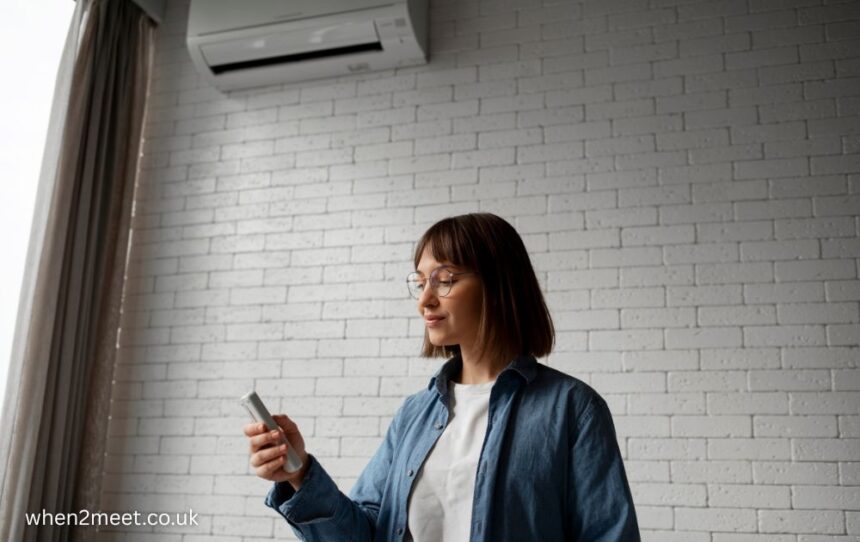
The battle for the thermostat is a common household conflict. One person is freezing under a blanket while another is sweating in a t-shirt. Beyond personal comfort, however, lies a more pressing concern: the rising cost of energy. Heating and cooling account for a massive chunk of the average home’s utility expenses, often nearly half of the total bill.
Fortunately, maintaining a comfortable home doesn’t require draining your bank account or running your HVAC system into the ground. By understanding the science of heat transfer and adopting a few strategic habits, you can master your indoor climate. Efficient temperature management is about working smarter, not harder, to keep your living space cozy in winter and cool in summer.
Crack the Code: The Ideal Temperature Settings
The Department of Energy offers specific guidelines for thermostat settings that balance comfort with cost savings. While these numbers might seem stark at first, adapting to them can result in significant reductions in energy usage.
During the winter months, the recommendation is to set your thermostat to 68°F (20°C) while you are awake and at home. When you are asleep or away, dialing it back by 7 to 10 degrees can save as much as 10% a year on heating and cooling. The logic here is simple: the closer your indoor temperature is to the outdoor temperature, the less work your system has to do to bridge the gap.
In the summer, the strategy flips. Aim for 78°F (26°C) when you are home. If that feels too warm, try increasing the setting by just one degree at a time over several weeks to help your body acclimatize. When you leave the house, set it higher so the air conditioner isn’t cooling an empty space.
Leverage Technology: Programmable and Smart Thermostats
Manual adjustments are effective, but they rely on human memory. We often forget to turn down the heat before rushing out the door for work. This is where technology bridges the gap between intention and execution.
Programmable thermostats allow you to schedule temperature changes based on your daily routine. You can set the heat to kick in thirty minutes before you wake up and lower automatically when you leave for the office.
Smart thermostats take this a step further. These devices learn your behaviors over time, adjusting automatically to maximize efficiency. Many include geofencing capabilities, which communicate with your smartphone to detect when you are nearing home, cooling or warming the house only when you are actually there. They also provide data on your energy usage, helping you identify patterns and make further adjustments.
Passive Temperature Control
Your HVAC system shouldn’t be the only line of defense against the elements. Passive strategies—methods that don’t require electricity—can significantly reduce the load on your heating and cooling units.
Window Treatments
Windows are major sources of heat gain and loss. In the winter, open curtains on south-facing windows during the day to allow sunlight to naturally warm your home. Close them at night to add a layer of insulation against the cold glass. In the summer, keep window coverings closed during the hottest parts of the day to prevent the sun from turning your living room into a greenhouse.
Airflow Management
Ceiling fans are incredibly efficient tools when used correctly. In the summer, run them counter-clockwise to create a wind-chill effect that makes you feel cooler, allowing you to raise the thermostat setting by about 4 degrees with no loss in comfort. In the winter, reverse the direction to clockwise at a low speed. This gently pushes warm air that has risen to the ceiling back down into the living space.
Sealing the Envelope
Even the most efficient air conditioner can’t compete with a drafty house. Inspect your doors and windows for leaks. Simple weatherstripping or a tube of caulk can seal gaps that let conditioned air escape. Don’t forget to check the attic and basement for insulation gaps, as heat rises and escapes through poorly insulated roofs in winter.
The Importance of Regular Maintenance
No amount of strategic temperature setting will help if your system is clogged or malfunctioning. A neglected system has to work significantly harder to pump air through the home, using more energy to achieve the same result.
Change your air filters regularly—usually every one to three months. A dirty filter restricts airflow, forcing the unit to run longer and increasing the risk of a breakdown. Additionally, ensure your vents are not blocked by furniture or rugs.
Annual professional check-ups are also vital. A technician can spot refrigerant leaks, clean coils, and calibrate your thermostat. For those living in climates with extreme weather swings, finding reliable help is essential. For example, residents in the mountain west might look for the best HVAC companies in Utah to ensure their systems can handle both snowy winters and dry, scorching summers. Local experts understand specific regional challenges and can tune your system for peak performance in that environment.
Smart Habits for Long-Term Savings
Managing your indoor temperature is a holistic process. It involves a combination of smart technology, physical adjustments to your home, and behavioral changes. By sealing leaks, utilizing natural light, and adhering to recommended thermostat settings, you reduce the strain on your mechanical systems and the strain on your wallet.
Start with small changes. Adjust your thermostat by one degree today. Close the blinds tomorrow afternoon. Schedule a maintenance check-up for next week. These incremental steps compound over time, leading to a home that is energy-efficient, environmentally friendly, and perfectly comfortable.