

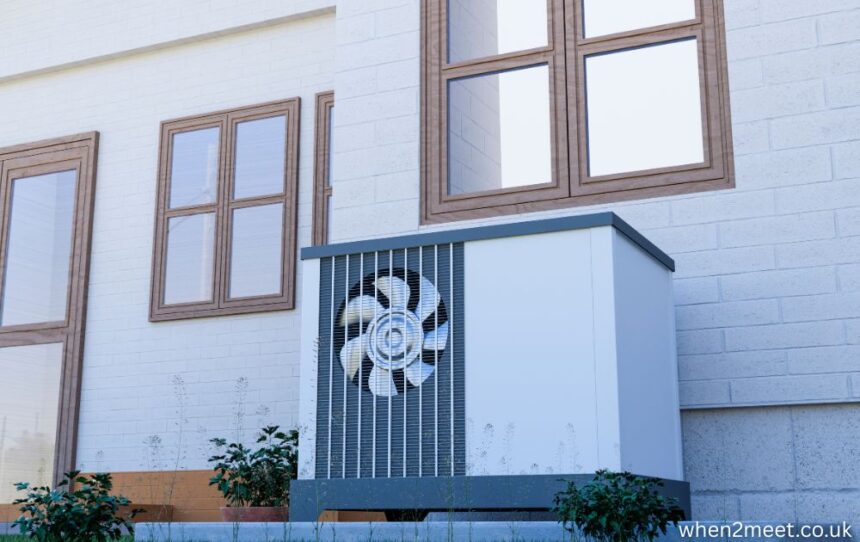
Homeowners often face high energy bills due to their HVAC systems, the largest energy consumers in most homes. Inefficient systems waste energy but also offer major savings potential. This guide shares practical steps, from DIY fixes to professional maintenance, to help optimize systems, cut energy use, lower carbon footprints, and save money.
Understanding Your HVAC System
Before you can optimize your system, you need to understand the basics of how it functions. At its core, an HVAC system is designed to regulate the temperature, humidity, and air quality of your indoor space. It typically consists of three main components: a source of warm or cool air, a distribution method, and a control unit.
The source is usually a furnace for heating and an air conditioner or heat pump for cooling. These units consume fuel or electricity to alter the temperature of the air. The distribution system involves the ductwork and registers that circulate this conditioned air throughout your rooms. Finally, the thermostat acts as the brain of the operation, signaling the system when to turn on and off based on your desired settings.
When these components work in harmony, your home stays comfortable with minimal energy waste. However, if one part is struggling—say, a clogged filter restricts airflow or leaky ducts lose conditioned air—the entire system has to work harder. This extra strain is what drives up your energy costs. Recognizing these components helps you identify exactly where that energy is being wasted.
Simple Tips for Immediate Savings
You don’t always need a major renovation to see a difference in your bills. Small, consistent changes to your daily routine and home setup can yield immediate results.
Change Your Air Filters
This is the single most important DIY task for an HVAC owner. A dirty or clogged air filter restricts airflow, forcing your unit to run longer and work harder to circulate air. This not only wastes energy but can also lead to system failure. Check your filter every month and replace it at least every three months, or more often if you have pets or allergies.
Adjust Your Thermostat
Setting your thermostat back 7° to 10°F for 8 hours a day from its normal setting can save you as much as 10% a year on heating and cooling. In the winter, try setting it to 68°F while you’re awake and lower while you’re asleep or away. In the summer, 78°F is the recommended setting when you are at home.
Utilize Ceiling Fans
Fans don’t actually lower the temperature of a room, but they create a wind-chill effect that makes you feel cooler. This allows you to raise the thermostat setting by about 4 degrees with no reduction in comfort. Just remember to turn the fan off when you leave the room—fans cool people, not empty spaces.
Manage Sunlight
The sun is a powerful heat source. In the summer, close blinds and curtains on south and west-facing windows to prevent solar heat gain. In the winter, do the opposite: open those window treatments during the day to let the sun naturally warm your home, and close them at night to trap that heat inside.
The Advantages of Smart Thermostats
If manual adjustments sound like too much hassle, technology offers a solution. Smart thermostats have revolutionized how we control indoor climates, providing efficiency gains that go beyond simple scheduling.
Unlike traditional programmable thermostats, smart devices learn your behaviors and preferences over time. They can detect when you are away from home and automatically adjust the temperature to an energy-saving mode, ensuring you aren’t paying to heat or cool an empty house. Many models also offer “eco” modes that make small adjustments you likely won’t notice but that add up to significant savings over a month.
Furthermore, smart thermostats provide you with data. Through a smartphone app, you can track your energy usage history, giving you insights into how your habits affect your bill. Being able to control your system remotely also means you never have to worry about whether you forgot to turn down the heat before leaving for vacation.
The Value of Professional Maintenance
While DIY efforts are crucial, there is no substitute for the eyes of a trained professional. An annual tune-up for your cooling system in the spring and your heating system in the fall can prevent minor issues from becoming major, expensive problems.
During a professional maintenance visit, a technician will clean coils, check fluid levels, tighten electrical connections, and lubricate moving parts. This tune-up ensures your unit runs as efficiently as possible. A neglected system slowly loses its ability to keep the house comfortable at the same efficiency level it had when it was new.
Moreover, professional maintenance extends the lifespan of your equipment. Replacing a furnace or AC unit is a significant financial burden. By investing in regular care, you can delay that expense by years. If you do encounter issues, utilizing professional AC repair services like those in Cottonwood Heights ensures the job is done correctly, preventing further efficiency loss from improper fixes.
Conducting a DIY Energy Audit
You can act as your own detective to find where your home is losing energy. A DIY energy audit is a thorough walkthrough of your home to spot problems that, when fixed, could save you money.
Start by checking for air leaks. Common culprits include the edges of flooring, junctures of walls and ceilings, and around windows and doors. On a windy day, carefully hold a lit incense stick next to these areas; if the smoke stream travels horizontally, you have a leak that needs sealing with caulk or weatherstripping.
Next, examine your insulation. If you have an attic, take a look at the insulation levels. If the insulation is level with or below the attic floor joists, you likely need to add more. Check to see if the attic hatch is insulated and weatherstripped as well.
Finally, inspect your ductwork if it is exposed in a basement or attic. Look for holes, tears, or disconnected sections. Sealing these leaks with mastic sealant or metal tape (not duct tape, ironically) can improve your system’s efficiency by as much as 20%.
Capitalizing on Government Incentives and Rebates
Energy efficiency is a priority for governments at the local, state, and federal levels, and they often provide financial motivation for homeowners to upgrade. Before you buy a new HVAC unit or smart thermostat, do some research to see if you can get money back.
The Inflation Reduction Act, for instance, has introduced significant tax credits for high-efficiency electric home rebates. Homeowners can claim tax credits for installing efficient heat pumps, central air conditioners, and furnaces. These credits can cover a substantial percentage of the project cost, making high-efficiency units much more affordable.
Local utility companies often have their own rebate programs as well. They might offer rebates for purchasing Energy Star-rated appliances or even for signing up for demand-response programs, where you allow the utility to make minor adjustments to your thermostat during peak demand times. A quick search on the “Database of State Incentives for Renewables & Efficiency” (DSIRE) can reveal opportunities specific to your zip code.
Conclusion
Lowering your HVAC energy consumption is not a one-time event but a continuous process of improvement. It starts with understanding the machinery that keeps you comfortable and extends to the daily habits you form.